Insights · Article · Strategy · May 4, 2026
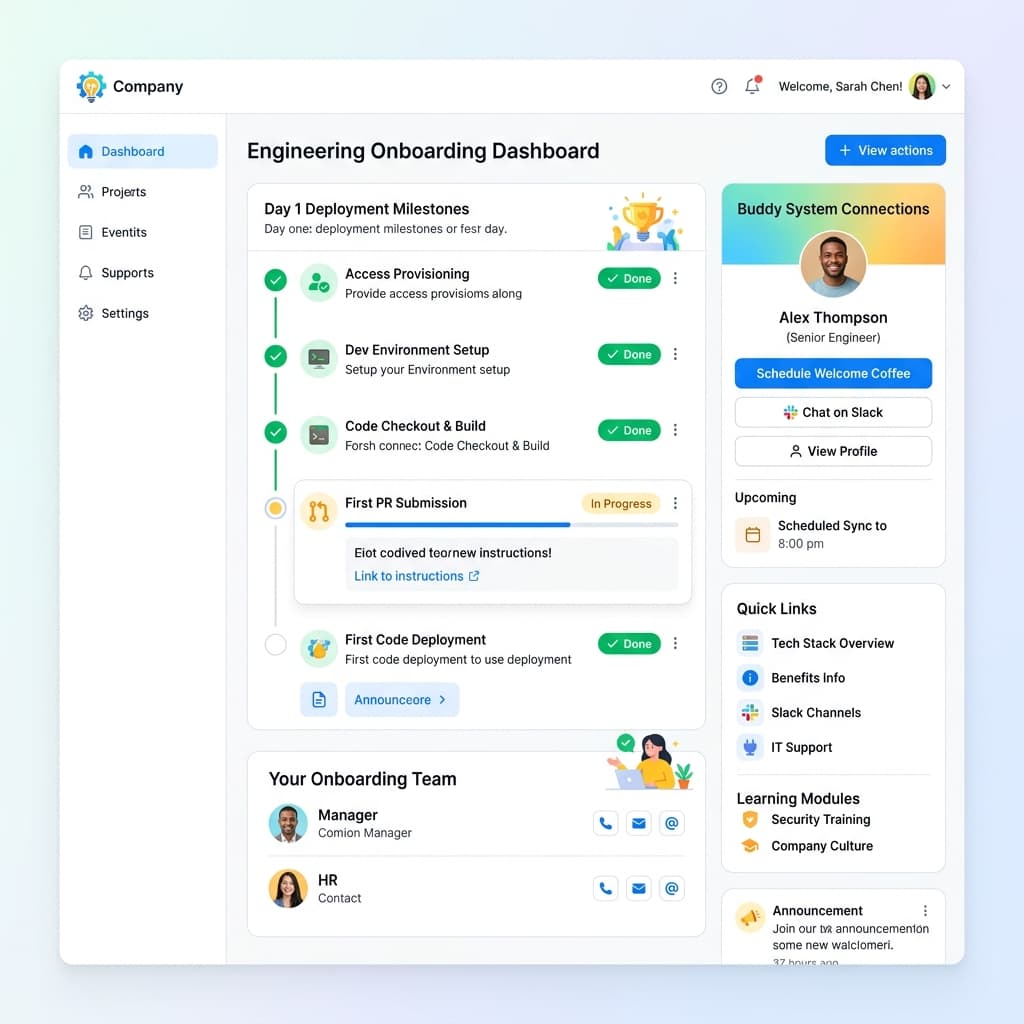
Buddy systems, access automation, first deploy milestones, and knowledge bases that stay accurate when teams rename every six months.
Static onboarding documents typically rot structurally faster than source code because continuous corporate reorganizations rename dedicated chat channels, implicitly change infrastructure ownership files, and violently scramble escalation paths quarterly. Hardcoded playbooks anchored exclusively to specific temporary team names eventually become permanent knowledge traps for confused new software engineers.
Platform teams must strategically anchor onboarding journeys strictly to immutable underlying systems and core operational flows. Documenting exactly how to ship a validated change safely, precisely how to page core networking infrastructure, and explicitly where to locate objective customer impact dashboards mathematically survives chaotic leadership renames significantly better than fragile organizational charts.
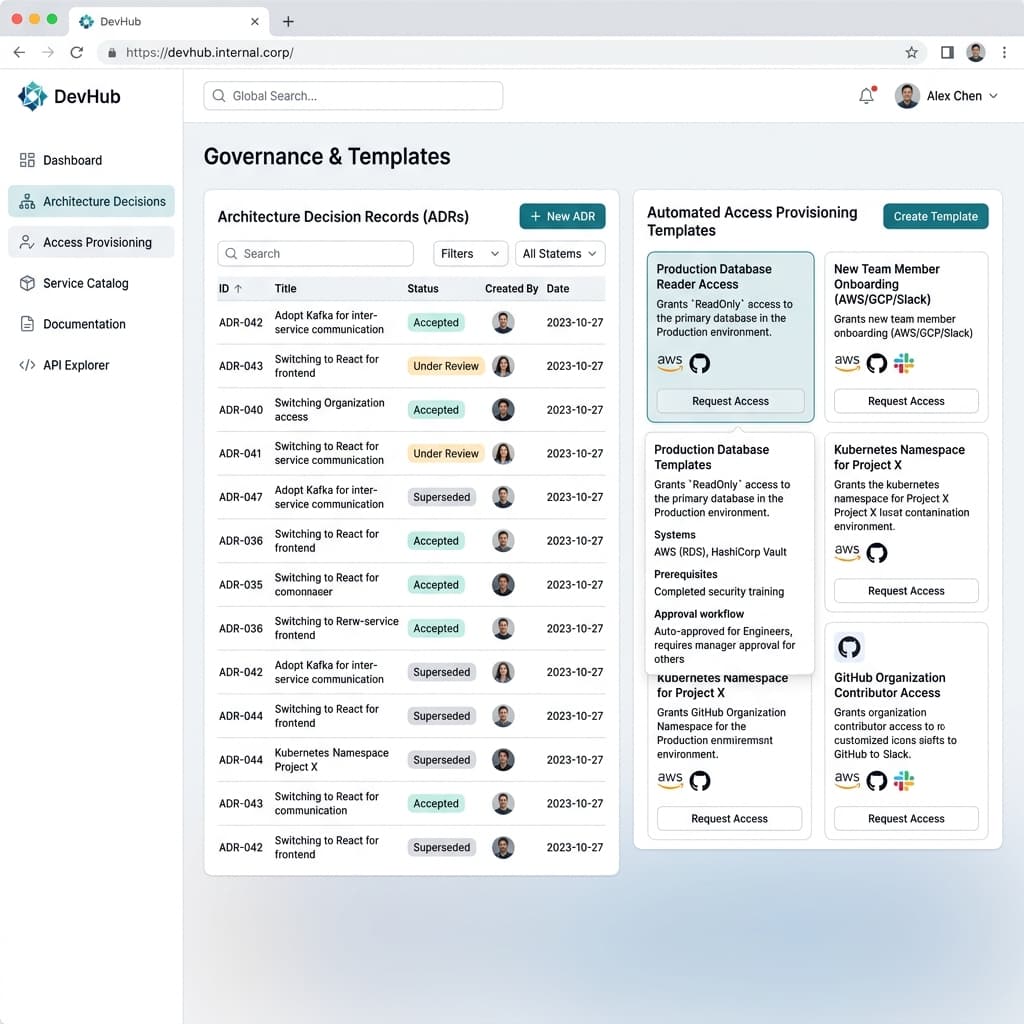
Identity access automation MUST rigidly follow structured role templates integrated directly with human resources data. Enduring manual IT ticketing chains that take two full weeks to provision simple repositories silently teach every single new hire that organizational security represents optional bureaucratic friction intended entirely to be bypassed.
Structured peer buddy assignments require protected engineering capacity. If every senior technical lead is desperately triple booked, the resulting onboarding experience collapses predictably. Engineering managers should brutally protect designated mentoring hours exactly like they fiercely protect tier one sprint deliverables.
Executing a successful first production deployment within two weeks consistently predicts long term technical retention significantly better than sending expensive corporate apparel. Scope incredibly tiny safe configuration changes paired with an empathetic code review process that explicitly teaches your fundamental engineering norms.
Aggressively document exactly where critical technical decisions inherently live within the organization. Architecture decision records, unified service catalogs, and published service level objective pages must be centrally discoverable. Fresh engineering hires should never be structurally forced to map your internal tribal geography entirely by accident.
Cognitive diversity and inclusive operating structures fundamentally belong everywhere within your onboarding curriculum design. Explicitly stating team meeting norms and standardizing asynchronous remote working etiquette measurably reduces psychological anxiety while dramatically improving overall peer code review quality.
Platform teams should programmatically measure the total time elapsed exactly to the tenth meaningful technical commit, track the time until the first formal on call shadow rotation, and aggressively collect survey sentiment scores at the thirty day milestone. These metric trends objectively reveal massive systemic architectural friction that individual junior engineers cannot physically fix alone.
Finally, engineering leadership must rigorously refresh these central playbooks immediately following each major internal reorganization as an aggressively enforced checklist item. Treat the entire onboarding process exactly like a massive critical database migration, not just another totally optional wiki page edit.
We facilitate small-group sessions for customers and prospects without requiring a slide deck, focused on your stack, constraints, and the decisions you need to make next.