Insights · Article · Security · May 9, 2026
Play Integrity and DeviceCheck style signals, server-side verification, privacy tradeoffs, and fallback UX when attestation fails on legitimate devices.
High-value mobile flows such as payments, crypto wallets, and enterprise single sign-on attract modified binaries, emulators, and cloned devices. Attestation APIs raise the cost of abuse but introduce false positives and privacy questions.
Treat attestation as one signal in a risk engine, not a sole gate. Farmed devices and patched ROMs exist; customer support needs compassionate paths.
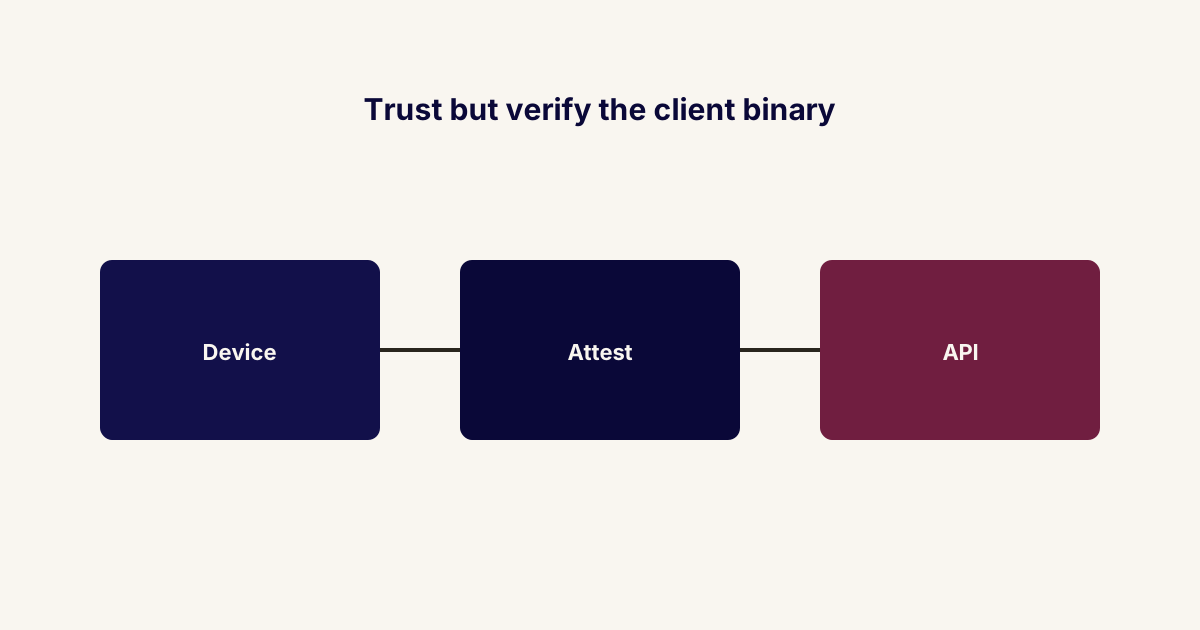
Nonce and timestamp validation prevents replay of captured attestations. Clock skew handling belongs in your verification library.
Privacy policies should disclose integrity checks in plain language, especially when combined with device identifiers.
Fallback journeys for failed attestation should preserve accessibility. Blind blocks harm users on older hardware and corporate MDM profiles.
Web views inside apps complicate trust boundaries. Decide whether embedded browsers participate in high assurance flows.
Telemetry from attestation failures should segment by OS version, region, and app release to spot rollout regressions quickly.
Finally, plan for vendor API changes. Attestation providers evolve signals; pin dependencies carefully and monitor release notes.
We facilitate small-group sessions for customers and prospects without requiring a slide deck, focused on your stack, constraints, and the decisions you need to make next.