Insights · Article · Engineering · May 5, 2026
Publication design, slot monitoring, cutover rehearsal, and fallback paths when major versions require low-downtime migration beyond in-place pg_upgrade alone.
Major PostgreSQL upgrades challenge teams that built years of schema and extension assumptions. Logical replication enables rolling migrations with controlled cutover, but it demands disciplined publication definitions and lag monitoring.
Inventory tables without primary keys, large bytea columns, and exotic types early. Replication tools hate surprises as much as DBAs do.
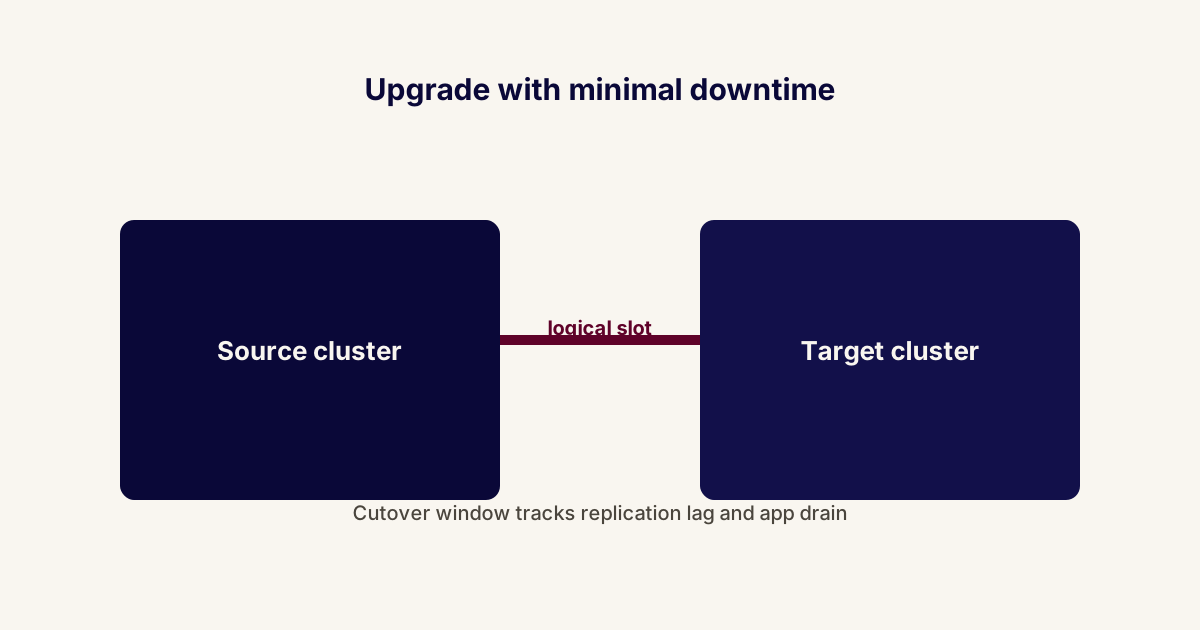
Initial copy and catch-up windows need realistic load tests. Quiet databases lie about how long final synchronization takes during busy periods.
Application cutover patterns include read-only windows, dual writes with reconciliation, or blue-green connection string flips. Pick one and document rollback.
Extensions and search indexes may not replicate identically. Plan rebuild steps for GiST or GIN indexes that must exist before traffic returns.
Slot retention on the source protects against target outages; it also risks disk fill if ignored. Alert on lag and wal retention aggressively.
Security posture should include TLS between clusters, least privilege replication roles, and network segmentation so a compromised analytics replica cannot become a lateral path.
Post-cutover validation includes query plan comparisons and statistics health. Autovacuum and analyze schedules may need tuning on the new version.
Finally, archive runbooks and timings. The next upgrade should learn from this one, not rediscover pain.
We facilitate small-group sessions for customers and prospects without requiring a slide deck, focused on your stack, constraints, and the decisions you need to make next.