Insights · Article · Security · Apr 27, 2026
Threat modeling moments, secure code review habits, vendor risk triage, and metrics that make security coaching part of line management, not only annual compliance videos.
Engineering managers influence architecture decisions, staffing, and what ships under pressure more than central security teams can review line by line. Shift left fails when security stays a staff function without management accountability.
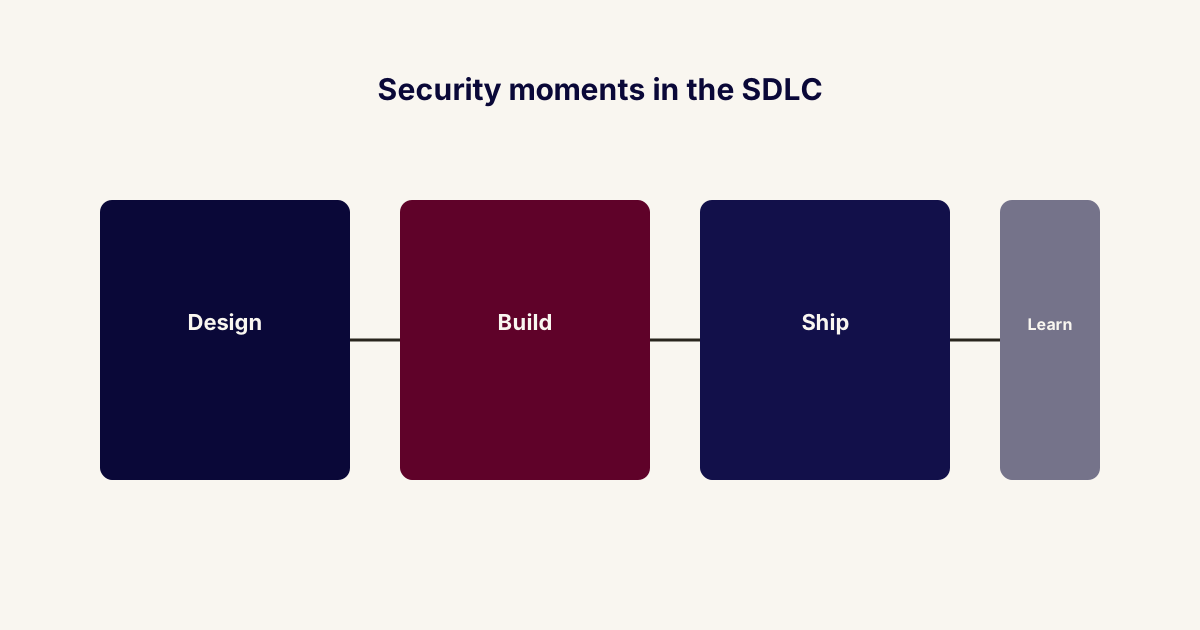
This article proposes lightweight security moments embedded in rituals managers already run: sprint planning risk flags, design review threat sketches, and retrospective entries for near misses.
Secure code review does not mean managers must find every bug. It means they ask whether changes touched auth, parsers, serialization, or secrets, and whether tests cover abuse cases.
Vendor and dependency risk triage belongs in staffing decisions. A team blocked on a vulnerable library needs time to upgrade, not only a ticket in a backlog graveyard.
Metrics can include percentage of services with SAST in CI, mean time to remediate critical findings, and recurring classes of defects quarter over quarter. Trend lines beat blame.
Psychological safety matters. Teams hide incidents when punishment dominates. Model blameless analysis so lessons surface early.
Partner with security champions per domain. Champions reduce bottlenecks and translate policy into workable patterns for their stacks.
Budget for joint tabletop exercises with managers and security. Scenarios tied to your actual architecture beat generic ransomware theater.
Finally, recognize managers who invest in resilience. Performance systems should reward fewer repeat incidents and healthier debt paydown, not only feature velocity alone.
We facilitate small-group sessions for customers and prospects without requiring a slide deck, focused on your stack, constraints, and the decisions you need to make next.