Insights · Report · Industry · Apr 26, 2026
Sensor programs, MRO digital threads, regulator expectations, and human factors when algorithms suggest interventions that touch airworthiness.
Predictive maintenance promises fewer AOG events and better parts planning. Aviation safety culture demands that algorithms support human certifying staff rather than bypass them. Governance bridges OEM recommendations, operator engineering judgment, and regulator oversight.
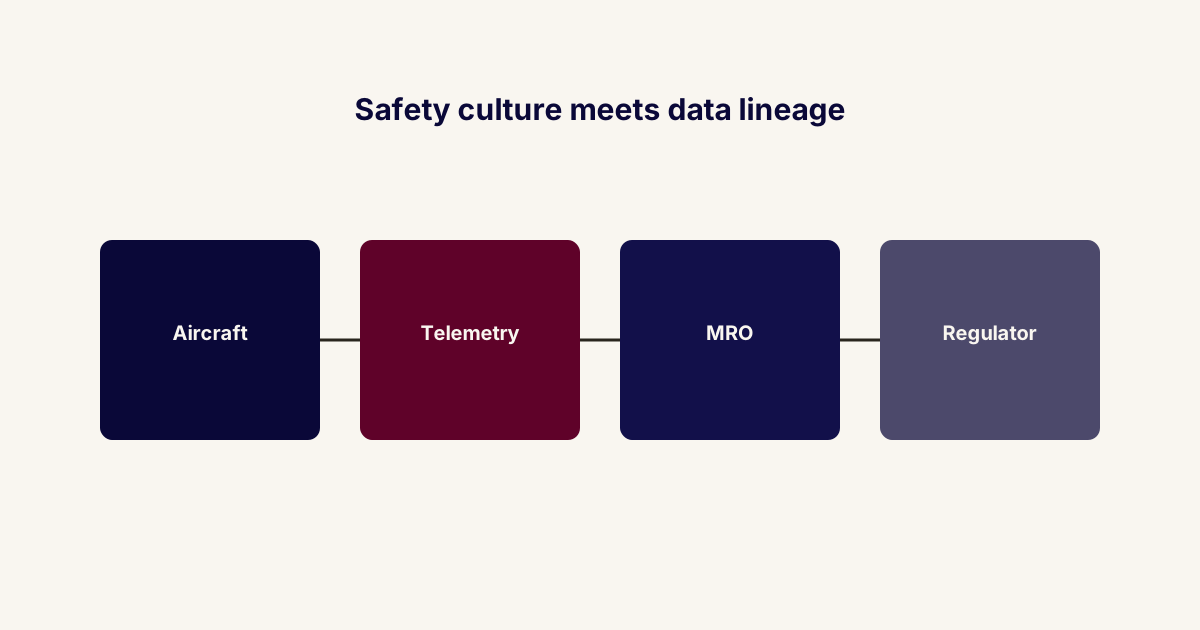
The report frames data lineage from aircraft sensors and flight data recorder subsets through airline data lakes, MRO work order systems, and airworthiness directive tracking. Gaps in lineage undermine confidence during audits.
Model validation should include operational false alarm rates. Mechanics who lose trust in alerts disable systems quietly. Feedback loops from line maintenance into data science are mandatory.
Cybersecurity for connected fleets overlaps with passenger privacy. Segment maintenance data planes from inflight entertainment networks and apply least privilege for third-party analytics vendors.
Spare parts and logistics integrations change when predictions shift demand. Finance and procurement need synchronized scenarios to avoid both stockouts and obsolete inventory.
Labor implications deserve explicit change management. Upskill programs for avionics technicians interpreting model outputs reduce risk more than glossy dashboards.
International operators face heterogeneous regulatory references. Map analytics documentation to the frameworks your certificate holders actually answer to, including maintenance program approvals.
Closing recommendations list KPIs: unscheduled removal rate trends, mean time to dispatch after alert, and audit findings related to digital records year over year.
We can present findings in a working session, map recommendations to your portfolio and risk register, and help you prioritize next steps with clear owners and timelines.