Insights · Report · Risk · May 1, 2026
Wallet screening, tax receipt valuation, custody choices, and board governance when nonprofits accept digital assets from anonymous or pseudonymous supporters.
Accepting digital assets can unlock new donors but introduces AML screening, volatile valuation moments, and custody risks unfamiliar to traditional finance committees. Policies should precede the first large gift, not follow a headline.
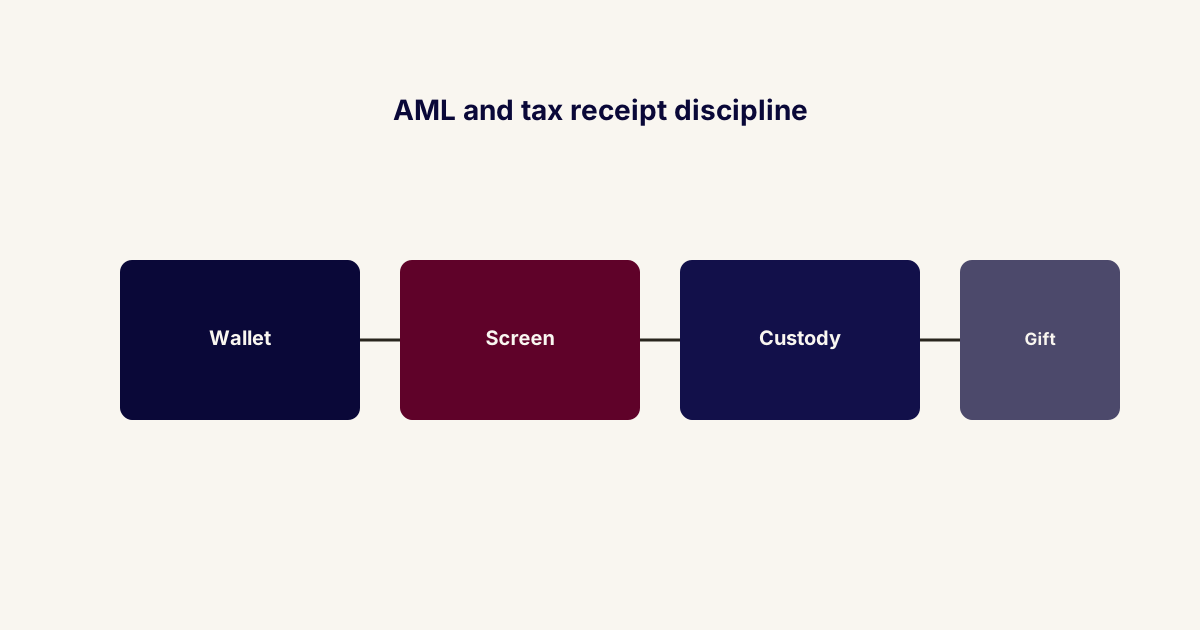
The report walks gift acceptance from wallet screening through qualified appraisal rules where applicable, immediate liquidation policies versus holding strategies, and segregation of duties for keys.
Anonymous gifts conflict with some grant assurances. Decide whether pseudonymous donors are acceptable for restricted funds and publish criteria.
Vendor custody versus self custody trades convenience against operational security burden. Small organizations rarely self custody well without dedicated staff.
Board education should cover sanctions risks, chain analytics limitations, and reputational questions tied to source wallets. Legal and development should co-own messaging.
Integration with CRM and general ledger needs unique identifiers and audit trails. Double posting and manual spreadsheet bridges invite errors.
Incident playbooks cover key compromise, fraudulent chargeback analogs where relevant, and law enforcement requests for transaction history.
Metrics include average time to receipt, percentage of gifts screened automatically, and exceptions escalated to compliance.
We can present findings in a working session, map recommendations to your portfolio and risk register, and help you prioritize next steps with clear owners and timelines.