Insights · Report · Cloud · Mar 28, 2026
How banks and insurers connect cloud consumption, platform amortization, and product P&L without creating a shadow finance organization inside engineering.
FinOps initiatives fail when they are framed as a cost-cutting exercise aimed at engineering. In regulated enterprises, the durable approach treats unit economics as a shared language between CFO, CIO, and product leadership. The objective is predictability and fairness, not shame.
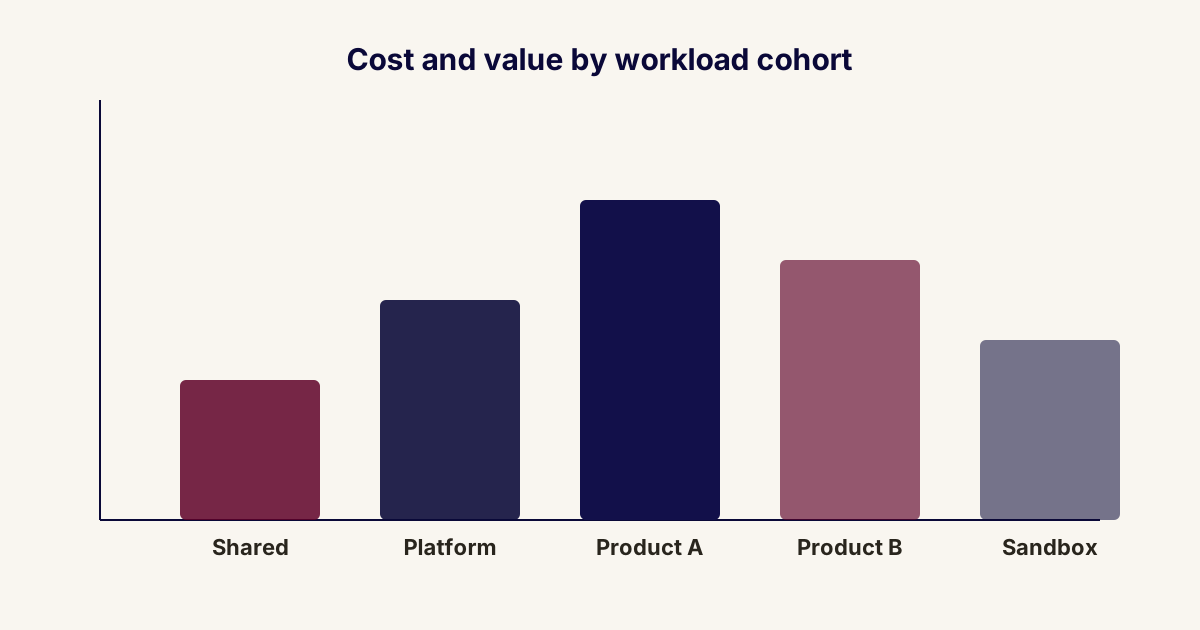
We start with definitions that survive audit. A workload cohort is not a tag sprawl problem; it is a contract between finance and engineering about what counts as shared platform, what counts as product-specific spend, and how amortization flows when capital projects convert to run rate.
Showback is often the right first phase. Teams see their consumption in context, learn how reserved capacity changes marginal cost, and discover orphaned environments that accumulated during acquisitions. Transparency reduces the need for heavy-handed targets early on.
When you graduate to chargeback, guardrails matter. Product lines should still feel accountable for architectural choices, but platform teams should not be punished for reliability investments that reduce incidents. The report proposes a split metric: efficiency versus resilience, each reviewed on its own cadence.
Engineering leaders asked for language that works in investment committees. We translate utilization, autoscaling behavior, and data egress patterns into narratives about customer growth, geographic expansion, and model training demand. Numbers without a story get reversed in the next budget cycle.
The middle chapters cover tagging strategy, account structure, and how to align Kubernetes namespaces, data zones, and batch pipelines to cost dimensions finance already understands. The point is to reuse general ledger concepts instead of inventing parallel books.
We also cover vendor discount programs, private pricing, and how to document commitments so regulatory capital discussions stay coherent. Sudden vendor invoice spikes should arrive with an internal memo that explains demand drivers, not only a PDF from the cloud console.
A full maturity model closes the report. It ranges from basic visibility to automated optimization with policy gates. Each level lists evidence your internal audit team can sample, which reduces the risk that FinOps becomes a dashboard nobody trusts.
We can present findings in a working session, map recommendations to your portfolio and risk register, and help you prioritize next steps with clear owners and timelines.