Insights · Report · Industry · Apr 18, 2026
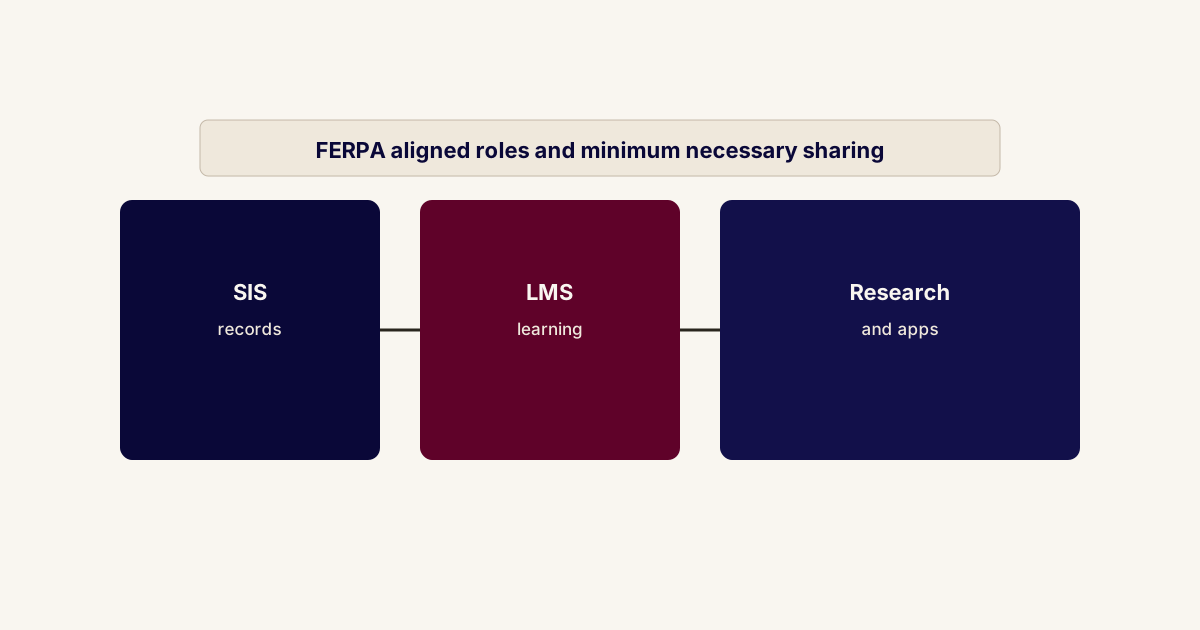
FERPA-aligned roles, learning analytics ethics, vendor subprocessors, and integration patterns that link SIS, LMS, and research systems without oversharing.
Colleges and universities operate under layered regulations, collective bargaining agreements, and donor expectations that rarely fit a single SaaS contract. Student data crosses administrative, instructional, and research contexts with different lawful bases and retention rules.
This outlook centers FERPA directory information choices, consent for non-directory uses, and the practical mechanics of sharing between student information systems, learning management platforms, advising tools, and early alert analytics.
Learning analytics programs need governance boards with faculty, registrars, disability services, and students. Model scores that affect academic standing deserve human review pathways and appeal processes.
Vendor ecosystems explode during online program expansion. Subprocessor registers should be public internally, with risk tiers and re-assessment cadence. A surprise analytics vendor erodes trust fast.
Single sign-on and group provisioning reduce manual account sprawl but can over-provision if roles are coarse. Attribute-based access and periodic access reviews catch drift.
Research computing intersects instructional data when de-identification is imperfect. Firewalls between environments, contractual use limitations, and training for principal investigators reduce accidental blending.
Accessibility and equity belong in the same narrative as privacy. Surveillance metaphors shut down good-faith retention programs; transparent purposes and opt-out paths where allowed build legitimacy.
Metrics for leadership include time to fulfill student data requests, percentage of integrations with documented data flows, and audit findings related to education records year over year.
Appendices provide sample DPIA questions for edtech pilots and integration patterns for LTI and caliper-style telemetry with retention defaults.
We can present findings in a working session, map recommendations to your portfolio and risk register, and help you prioritize next steps with clear owners and timelines.