Insights · Report · Strategy · May 10, 2026
Works council consultation, wage and hour analytics boundaries, surveillance optics, and people science models that improve retention without crossing legal or cultural red lines.
People analytics programs promise better retention, fairer pay equity analysis, and smarter capacity planning. They also risk feeling like surveillance when data sources quietly include keystrokes, badge swipes, or always-on chat sentiment without transparent purpose.
This outlook aligns analytics roadmaps with labor law, collective bargaining contexts, and regional privacy rules. Early legal and employee representative engagement beats retroactive apologies.
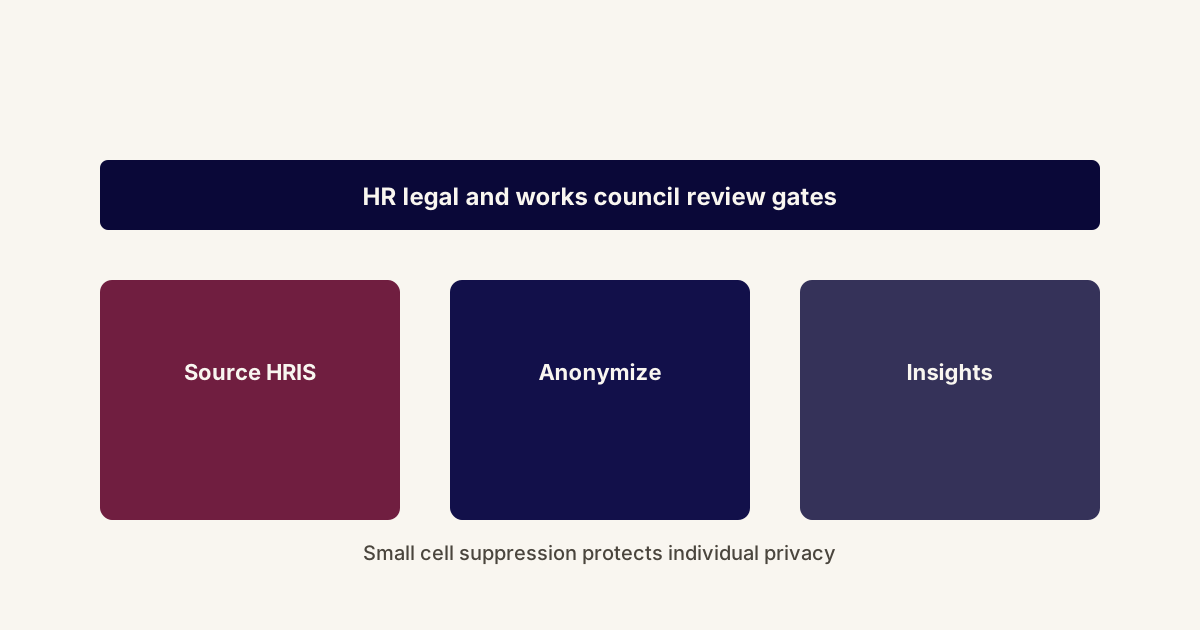
Works councils and unions often have co-determination rights on tooling that measures performance. Treat consultations as design partners, not as late blockers.
Wage and hour analytics should avoid inferring off-the-clock work from ambiguous signals without managerial accountability. Bad math creates class action fuel.
Model fairness reviews belong in hiring and promotion support tools. Document disparate impact tests where jurisdictions require them and keep human decision records.
Data retention for analytics should be shorter than legal maxima where possible. Stale behavioral data rarely helps and often harms trust.
Vendor HR tech stacks complicate subprocessors. Maintain an inventory that flows into RFPs and DPIAs automatically.
Closing recommendations include employee-facing FAQs written in plain language and periodic ethics reviews with external counsel where programs are novel.
We can present findings in a working session, map recommendations to your portfolio and risk register, and help you prioritize next steps with clear owners and timelines.