Insights · Report · Industry · May 6, 2026
CRM hygiene, fundraising ethics, beneficiary privacy, and funder reporting chains that keep mission impact visible without oversharing personal stories or breaking trust.
Nonprofits live on trust. Donor files, volunteer rosters, and program participant records mix in ways that confuse teams if purpose of use is vague. A single CRM export for a grant report can accidentally include fields never consented for that audience.
This report proposes data categories with explicit retention, access roles, and de-identification rules for impact storytelling. Marketing urgency should not override participant dignity or funder restrictions.
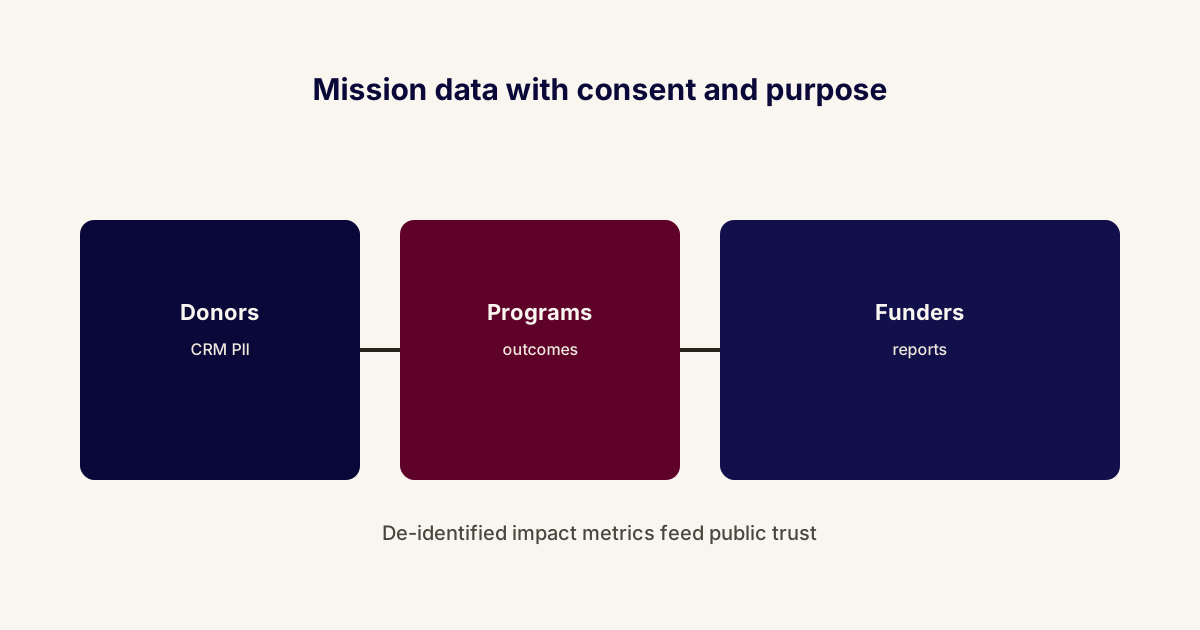
Grant compliance often demands outputs that look like analytics but are legally attestations. Build lineage from source tables to published metrics so auditors and program officers defend the same numbers.
International programs introduce cross-border transfers. Map lawful bases, processor locations, and breach notification paths before adopting global SaaS defaults.
Volunteer and staff access should follow least privilege with seasonal adjustments. Fundraising interns should not browse case notes without training and contracts.
Major gift officers need relationship context, which increases insider risk. Logging, device controls, and exit procedures matter as much as in for-profit CRM programs.
Board reporting should include cyber basics: MFA coverage, backup tests, and vendor concentration for donation processing. Philanthropic boards increasingly ask operational questions.
Appendices include sample consent language variants for newsletters versus research participation, plus a lightweight DPIA template sized for small development shops.
We can present findings in a working session, map recommendations to your portfolio and risk register, and help you prioritize next steps with clear owners and timelines.