Insights · Report · Industry · May 11, 2026
Strong customer authentication, token scopes, aggregator due diligence, and incident allocation when data leaks or mistaken payments flow through licensed third-party providers.
Open banking ecosystems connect banks, third-party providers, fintech apps, and end users through APIs and consent artifacts. Confusion about who is data controller, who is processor, and who pays when things break creates expensive arguments after incidents.
The report proposes a lifecycle for consent grants: enrollment, scope limitation, refresh, revocation, and audit export. Each step needs technical enforcement, not only policy PDFs.
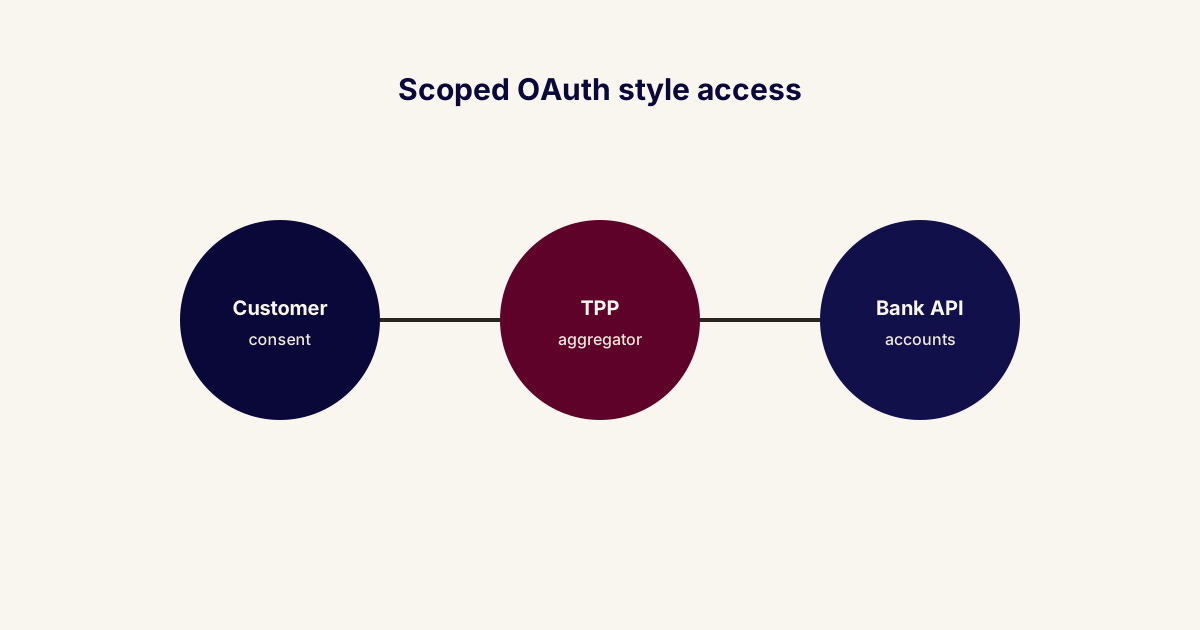
Strong customer authentication and dynamic linking expectations vary by regime. Engineering should parameterize flows rather than hardcoding one national pattern into global apps.
Aggregator diligence includes financial resilience, security testing cadence, and subprocessors. Banks should treat critical aggregators like material vendors with board-level concentration awareness.
Error handling and data minimization reduce breach blast radius. Third parties should request the narrowest account views that support their product.
Liability clauses in contracts should map to observable controls. Generic indemnities without telemetry and logging standards invite litigation without prevention.
Customer communications after third-party incidents need joint templates. Finger-pointing in public damages all brands in the ecosystem.
Metrics include consent grant volume, revocation rates, API error budgets, and mean time to disable a compromised client credential.
We can present findings in a working session, map recommendations to your portfolio and risk register, and help you prioritize next steps with clear owners and timelines.