Insights · Report · Industry · Apr 7, 2026
Dual-running legacy messages alongside structured ISO traffic, reconciliation discipline, and testing harnesses that reduce cutover drama for treasury and operations.
ISO 20022 migrations touch cores, gateways, correspondent banks, and internal accounting engines at once. The failure mode is not only bad XML; it is silent field mismatches that surface during month-end reconciliation when nobody wants another emergency bridge.
Readiness starts with an inventory of message types, counterparties, and enrichment rules. Teams should know which fields your ledger truly needs versus which fields ride along for compliance or analytics.
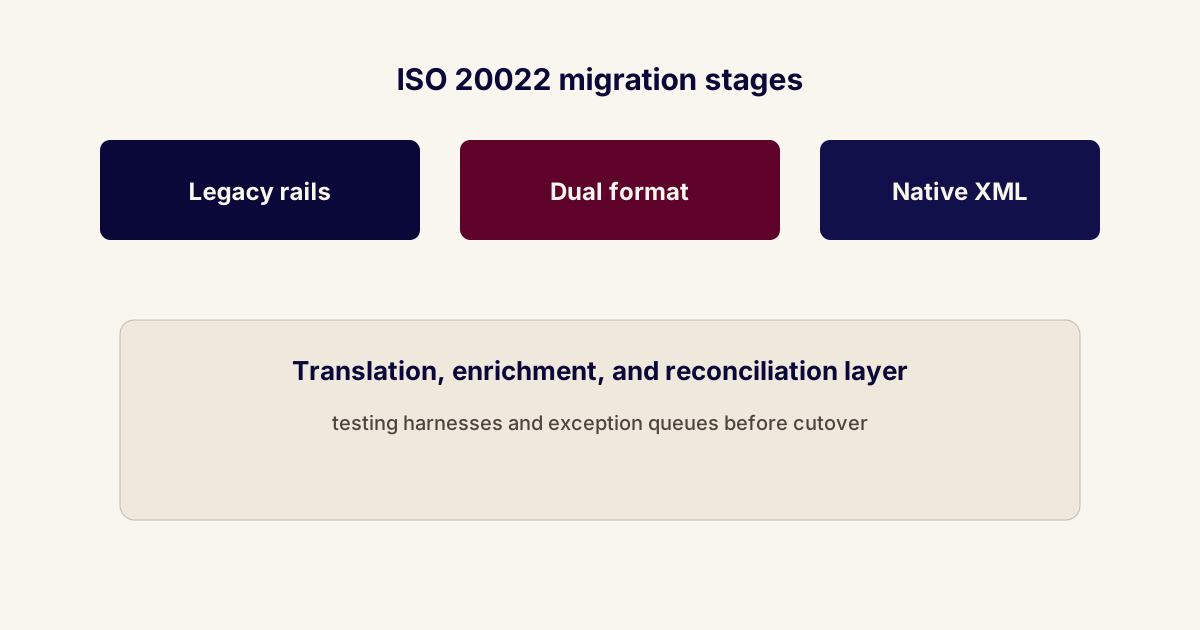
Dual format periods demand disciplined exception queues. Parity tests should compare legacy and ISO paths for sampled transactions daily, not only during dress rehearsals. Automated diff reports shorten root cause analysis when amounts disagree by a rounding rule.
Vendor and correspondent testing requires contractual clarity on test windows, anonymized sample data, and rollback responsibilities. A partner that cannot commit to joint cutover rehearsal should trigger a risk discussion, not only a project delay note.
Operations and customer support need plain-language playbooks for known error codes. When a payment stalls, frontline teams should not improvise from a 200-page specification.
The brief closes with a communications plan for corporate clients and internal stakeholders. Payments modernization is reputational when treasury customers see delays. Honest timelines beat silent slips.
We include KPI suggestions: percentage of traffic on native ISO, mean time to clear exceptions, and zero-day defects discovered in production versus testing. Trends matter more than vanity green dashboards on launch day.
We can present findings in a working session, map recommendations to your portfolio and risk register, and help you prioritize next steps with clear owners and timelines.