Insights · Report · Industry · May 12, 2026
Finality models, fraud scoring at wire speed, reconciliation with batch cores, and customer support playbooks when irrevocable transfers meet user error and authorized push payment scams.
Instant payment schemes changed customer expectations from next-day settlement to seconds. They also changed fraud economics: stolen credentials can move funds before victims notice SMS alerts. Risk operations must match message latency, not batch nightly jobs.
This report compares finality rules, recall windows where they exist, and dispute processes across major instant rails. Product and legal teams need shared vocabulary before marketing promises zero reversals.
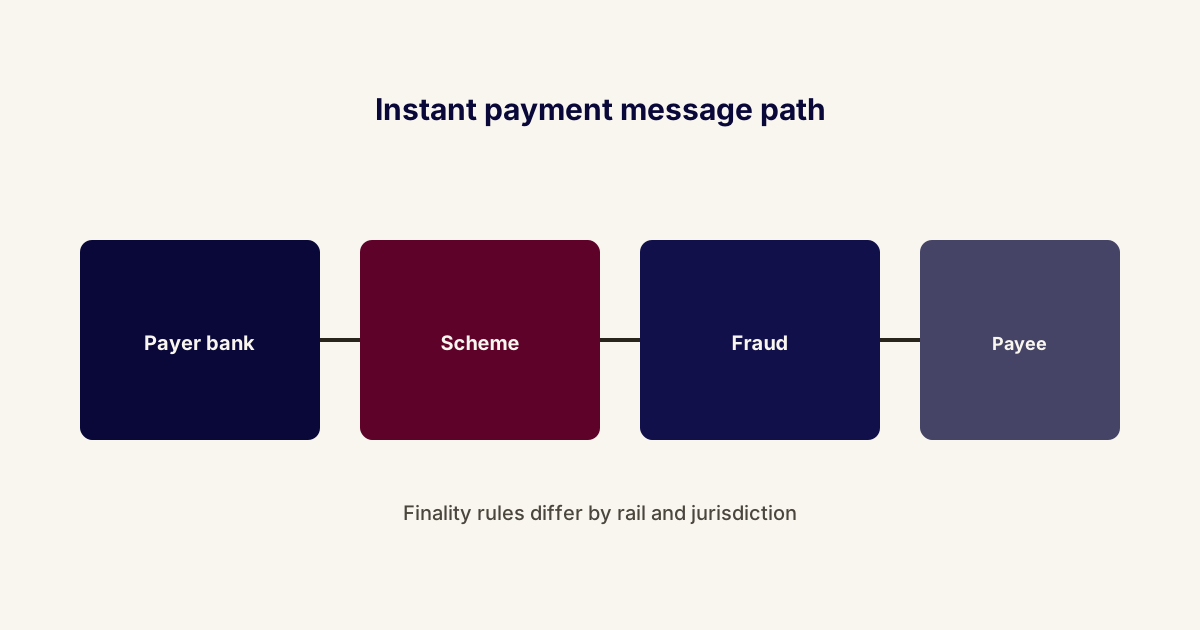
Authorized push payment scams shift liability questions toward customer education and beneficiary bank monitoring. Document evidence packages your institution expects before goodwill refunds.
Core banking reconciliation often still thinks in batches. Middleware must map instant messages to ledger entries with idempotent posting and visible exception queues finance trusts.
Customer support tooling should surface payment status, counterparty identifiers, and risk holds with enough context to explain decisions without leaking internal scores.
Cross-border instant corridors add FX and sanctions screening complexity. Latency budgets for compliance checks should be engineered, not hoped for.
Metrics chapters contrast fraud loss per million, false decline rates, and mean time to resolve stuck messages. Executives need balanced dashboards, not only loss totals.
Appendices include tabletop prompts for scheme outages and runbooks for duplicate settlement investigations tied to client retries.
We can present findings in a working session, map recommendations to your portfolio and risk register, and help you prioritize next steps with clear owners and timelines.