Insights · Report · Research · Apr 4, 2026
Translating engineering risk into capital planning language: cost of delay, control dependencies, and quarterly refresh rituals that prevent register rot.
Technical debt registers fail when they read like complaint lists. Finance committees fund trade-offs they understand: revenue at risk, regulatory exposure, and efficiency gains with credible ranges. Engineers must learn to speak in those terms without exaggeration.
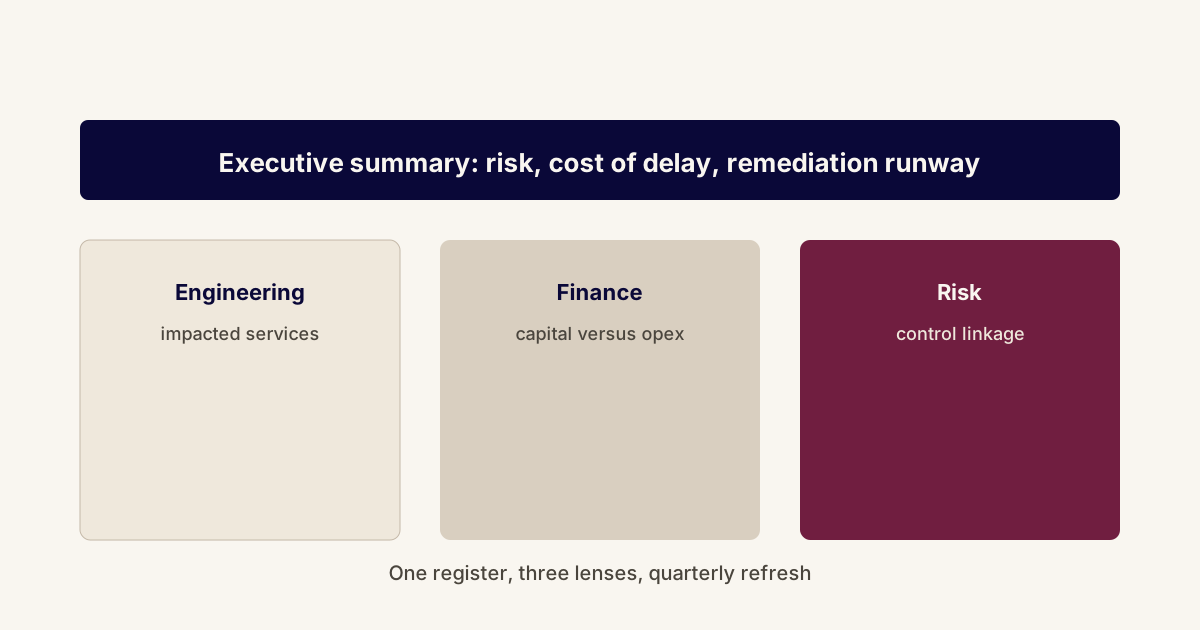
We introduce a schema that links each debt item to customer journeys, internal services, and control IDs from your GRC tool. Orphan entries that say refactor the monolith without mapping disappear in the first quarterly scrub.
Cost of delay estimates do not need false precision. Ranges based on incident history, audit findings, and projected licensing increases are enough to rank items. The goal is consistent methodology, not decimal theater.
Capital versus operating expense treatment matters for regulated firms. The report outlines how remediation bundles can be structured so auditors see intentional project boundaries rather than endless maintenance blur.
Dependency management is explicit. Some debt blocks platform upgrades; other debt is isolated. Graphing critical path dependencies helps portfolio committees avoid funding low-impact polish while a single library blocks a compliance deadline.
Behavioral guidance addresses product pressure. Product managers should see debt reduction as feature work when it unlocks velocity or reduces outage probability. Shared OKRs beat purely technical backlogs that lose every prioritization meeting.
Governance proposes a single accountable owner per business domain who signs off on additions and retirements. Version history on the register creates audit evidence without another heavyweight tool.
Appendices include sample committee slides and redacted entries from anonymized clients. Use them as tone references so your narrative feels serious rather than apologetic.
We can present findings in a working session, map recommendations to your portfolio and risk register, and help you prioritize next steps with clear owners and timelines.