

Assessment
Asset and telemetry inventory, cybersecurity posture, and mobile workflow gaps with prioritized remediation.
Industry
Grid analytics, field mobility, asset performance, outage communications, and sustainability reporting for utilities and energy operators, with OT-aware integration patterns and safety-critical change windows.
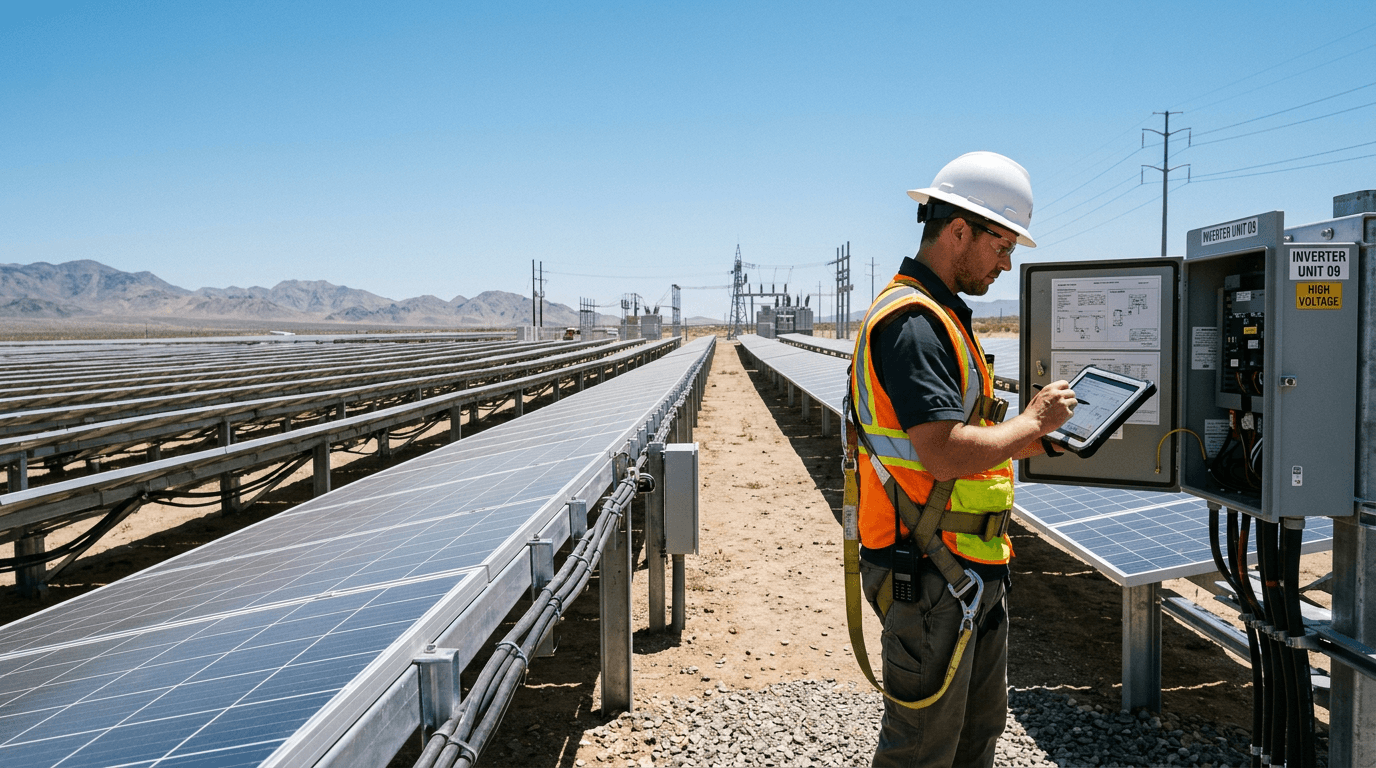
We staff teams who understand switching orders, storm modes, and regulatory evidence - not generic IT delivery alone. Programs anchor on safety reviews, OT change windows, and rehearsal-heavy mobilizations so crews and customers see coordinated outcomes when weather and markets shift.
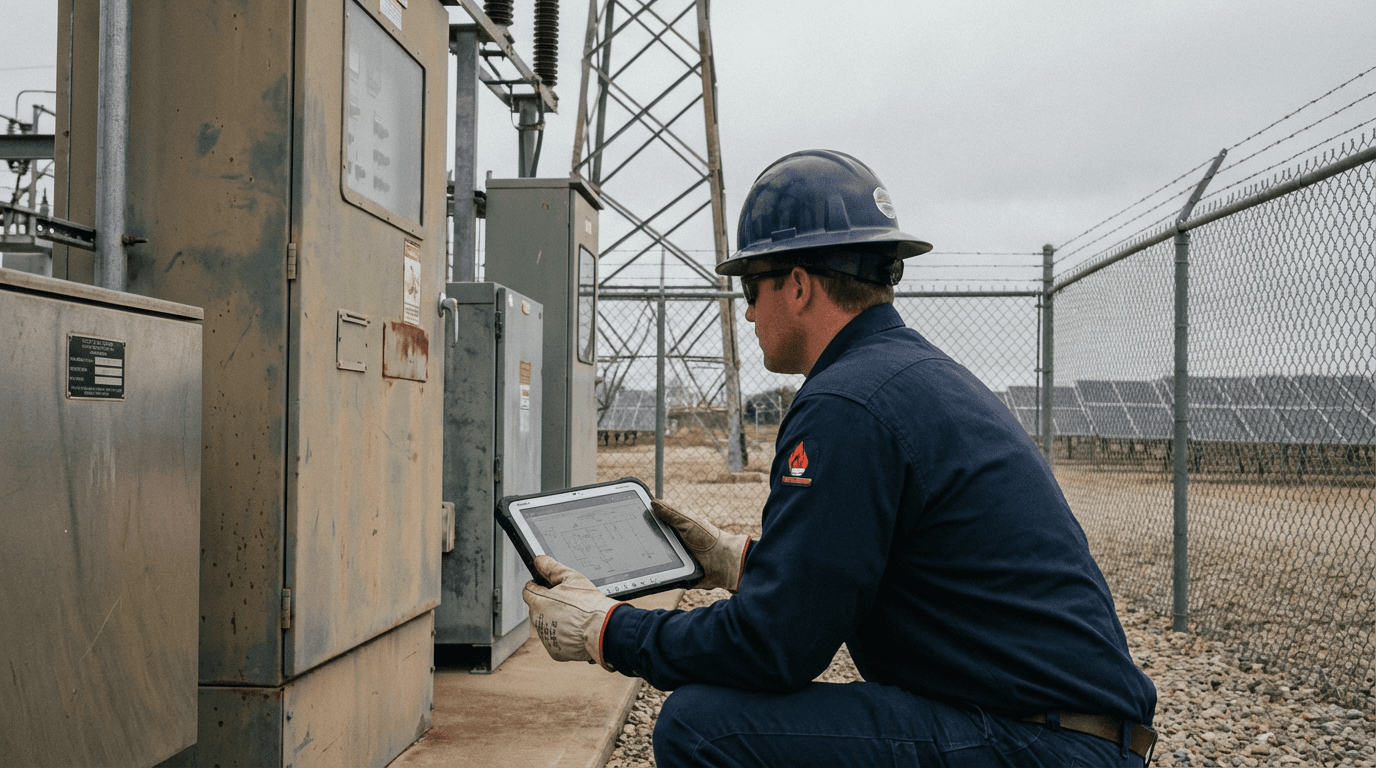
Structured phases aligned to rate cases, reliability metrics, and environmental compliance - with artifacts operations, trading, and legal can reuse.
Asset and telemetry inventory, cybersecurity posture, and mobile workflow gaps with prioritized remediation.
Investment sequencing for ADMS, DER visibility, and field modernization grounded in reliability targets.
Joint safety and security design reviews with architecture decisions recorded for regulators and boards.
Storm-season rehearsals, parallel operations, and rollback criteria for mission-critical systems.
SME-led
Architecture & compliance reviews
24 to 48h
Typical crisis bridge response
Global
Delivery aligned to local regulation
Programs in energy & utilities succeed when product, risk, and operations share a language. We embed bilingual leads who translate between engineering backlogs and supervisory expectations. Regulated programs often map security evidence to baselines such as ISO/IEC 27001 alongside sector-specific obligations.
Our accelerators include industry data models, integration blueprints, and test packs, always customized to your vendors and geography.
From first workshop to production cutover, we align success metrics with the regulatory and commercial outcomes your board cares about, not only technical milestones on a Gantt chart.
When regulators or internal audit ask for evidence, we help you point to configuration, tickets, and test results instead of narrative-only decks, so remediation stays proportional and traceable.
Utility technology must respect operational technology safety, weather-driven demand surges, and centralized reporting obligations while modernizing customer experiences. Neojn delivers outage communication platforms, smart grid telemetry, and sustainability analytics using integration patterns suited for sensitive operational control environments. That calibration is essential because utility systems affect public safety and essential services, so technology modernization cannot compromise reliability for the sake of architectural progress or unfamiliar operational patterns imported from consumer or commercial technology.
Grid modernization programs span predictive analytics, mobile workforce management, asset management, and regulatory reporting. Neojn staffs these programs with practitioners who understand seasonal volume peaks, safety-critical change windows, and continuity planning obligations. Load management, outage detection, and restoration coordination each respect operational tempo rather than imposing cloud-native release cadences that would introduce unacceptable risk to public infrastructure that regulators and customers depend on continuously.
Outage management, storm response, and customer communication integrate to provide coordinated response during weather events. Neojn implements these systems so dispatchers, field crews, customer service, and external stakeholders share the same operational picture. Proactive customer notifications reduce call volume, accelerate restoration sequencing, and preserve customer satisfaction even during extended weather-related disruption. That coordinated capability is what separates utilities that manage storms well from those that see customer trust decline after each significant event.
Cybersecurity for utilities combines IT and OT concerns with specific regulatory expectations. NERC CIP for bulk electric system operators, state public utility commission requirements, and general critical infrastructure protection norms all apply. Neojn implements segmentation, monitoring, and incident response with careful respect for operational safety procedures. Change management coordinates with maintenance planning so security updates never compromise the physical controls that govern equipment affecting worker and public safety during normal operations.
Field mobility applications support inspection, outage restoration, meter reading, and work order management for crews operating in varied conditions. Neojn designs these applications for rugged devices, poor connectivity, and safety-critical workflows. Electronic forms, photo capture, and GPS data flow to enterprise systems with audit trails that support regulatory inspection and operational review. Battery life, usability with gloves or while wearing PPE, and reliable synchronization all receive careful attention because field workers are the ultimate users.
Sustainability reporting draws from metering, asset, fuel, and emissions data flowing through operational systems. Neojn implements data lineage, calculation engines, and reporting workflows that satisfy evolving climate disclosure standards. Financial reporting, investor communications, and regulatory filings all reference consistent measurement approaches. That discipline reduces the risk of inconsistent disclosures and supports the investment narrative utilities now manage alongside traditional rate case and reliability conversations with stakeholders.
CIOs, COOs, and sustainability leaders in utilities and energy operators.
Segmentation, unidirectional gateways, and monitored APIs are preferred. Changes align to maintenance and safety procedures.
Yes. Event ingestion, customer preference centers, and workforce dispatch integrations reduce confusion and call volume during storms.
Metering, asset, and fuel data lineage is documented for finance and regulatory disclosures with controls auditors can sample.
Energy grid modernization cyber reports, backup immutability articles, and ransomware insurance briefs align technical scope with risk transfer decisions.
Season-aware delivery with OT safety first.
Systems, field workflows, and reporting obligations are mapped with seasonal risk notes.
OT/IT boundaries, monitoring, and access policies are agreed before scale build.
Limited geography proves mobility, communications, and reporting before enterprise rollout.
Drills, runbooks, and cross-functional command structures are rehearsed annually.
Utilities programs combine mobile, cloud, data, and ERP.
Field crews and inspectors on rugged and consumer devices.
Mobile developmentGrid-adjacent detection and incident coordination.
Cybersecurity24/7 monitoring for customer and grid-facing platforms.
Managed servicesGrid analytics and sustainability reporting lineage finance can audit.
Data & AIWir moderieren eine gemeinsame Backlog-Session mit Business-Sponsoren und Control-Partnern, skizzieren Abhängigkeiten, Compliance-Gates und das kleinste lieferbare Stück, das Wert beweist – mit Ownern und Terminen für Ihr Steering.